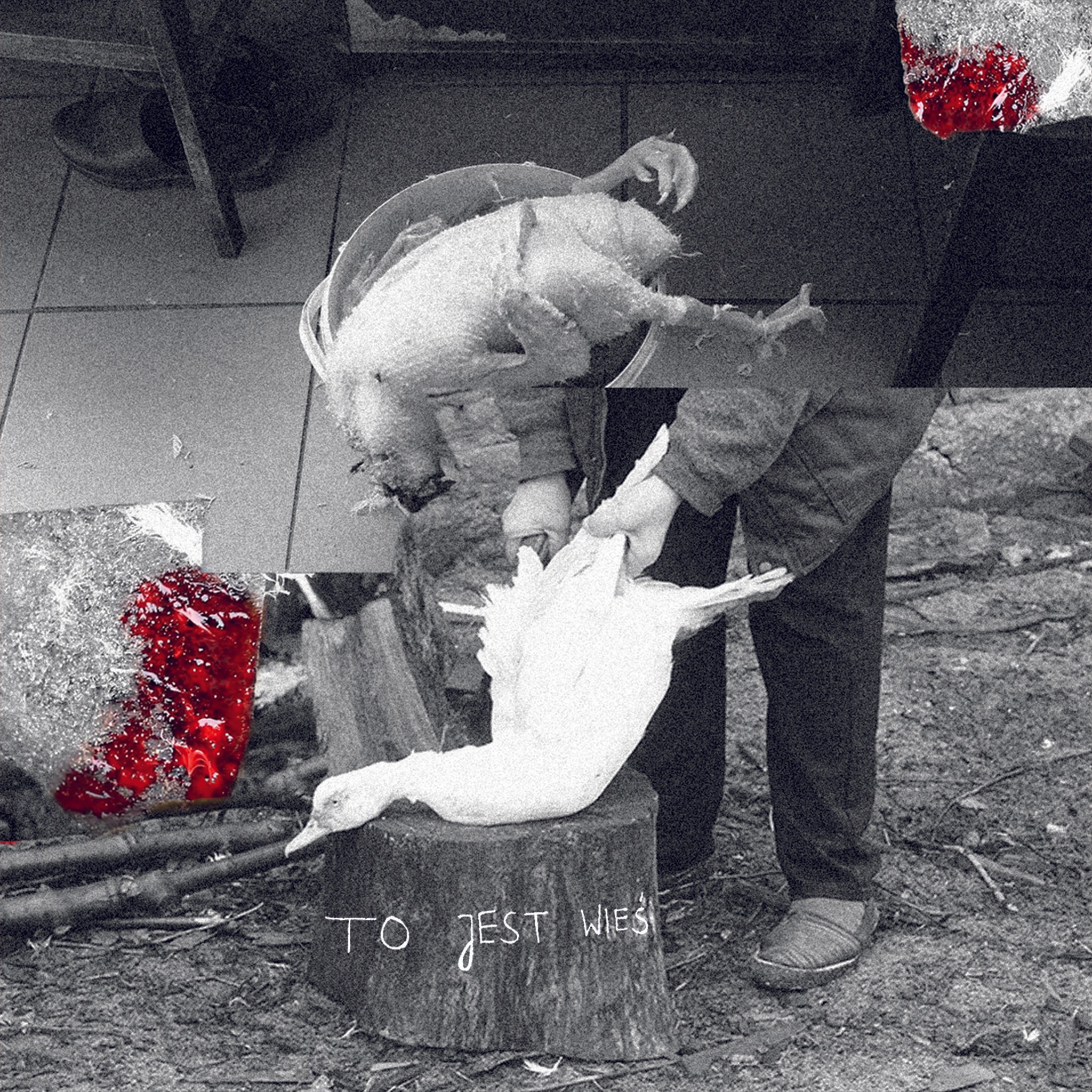
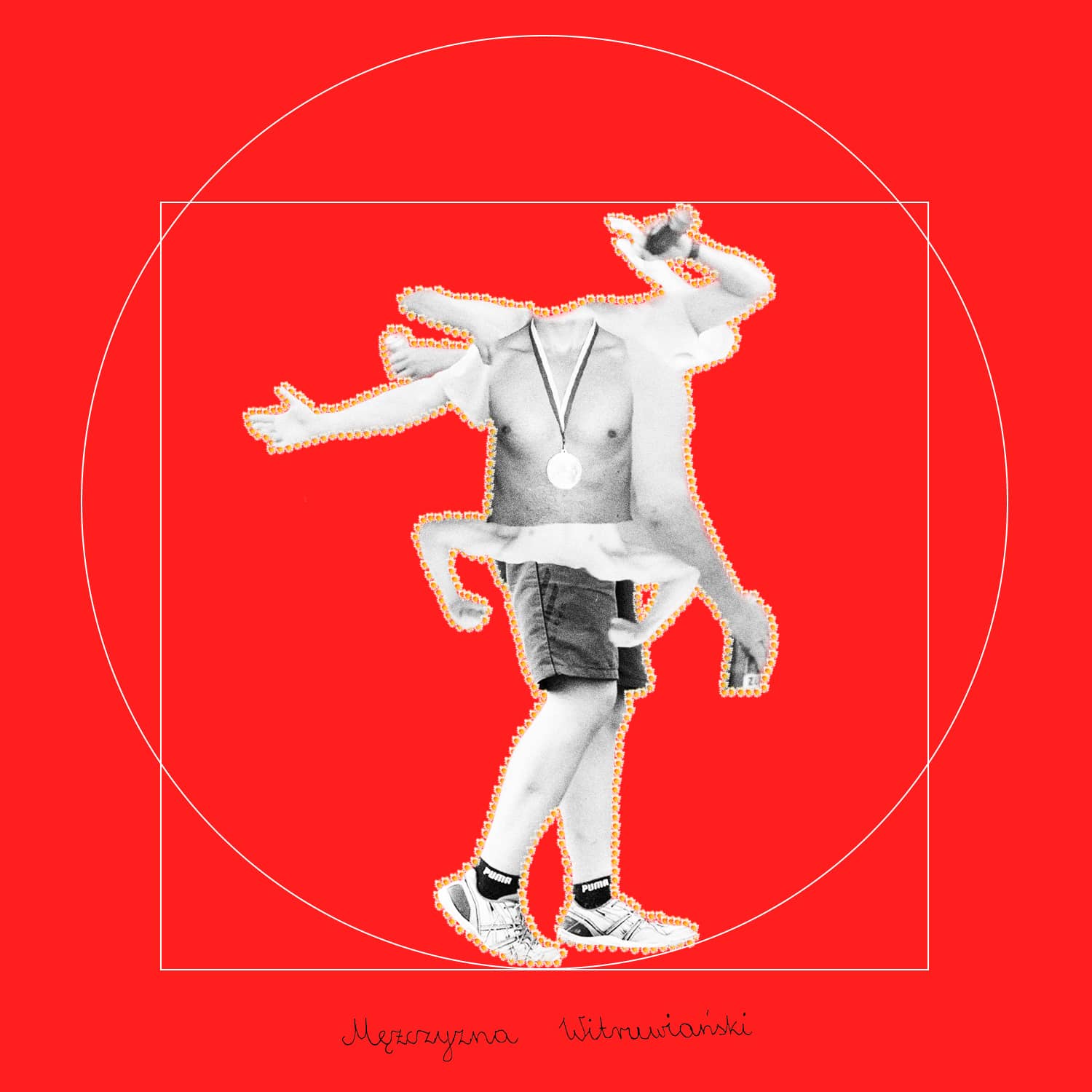
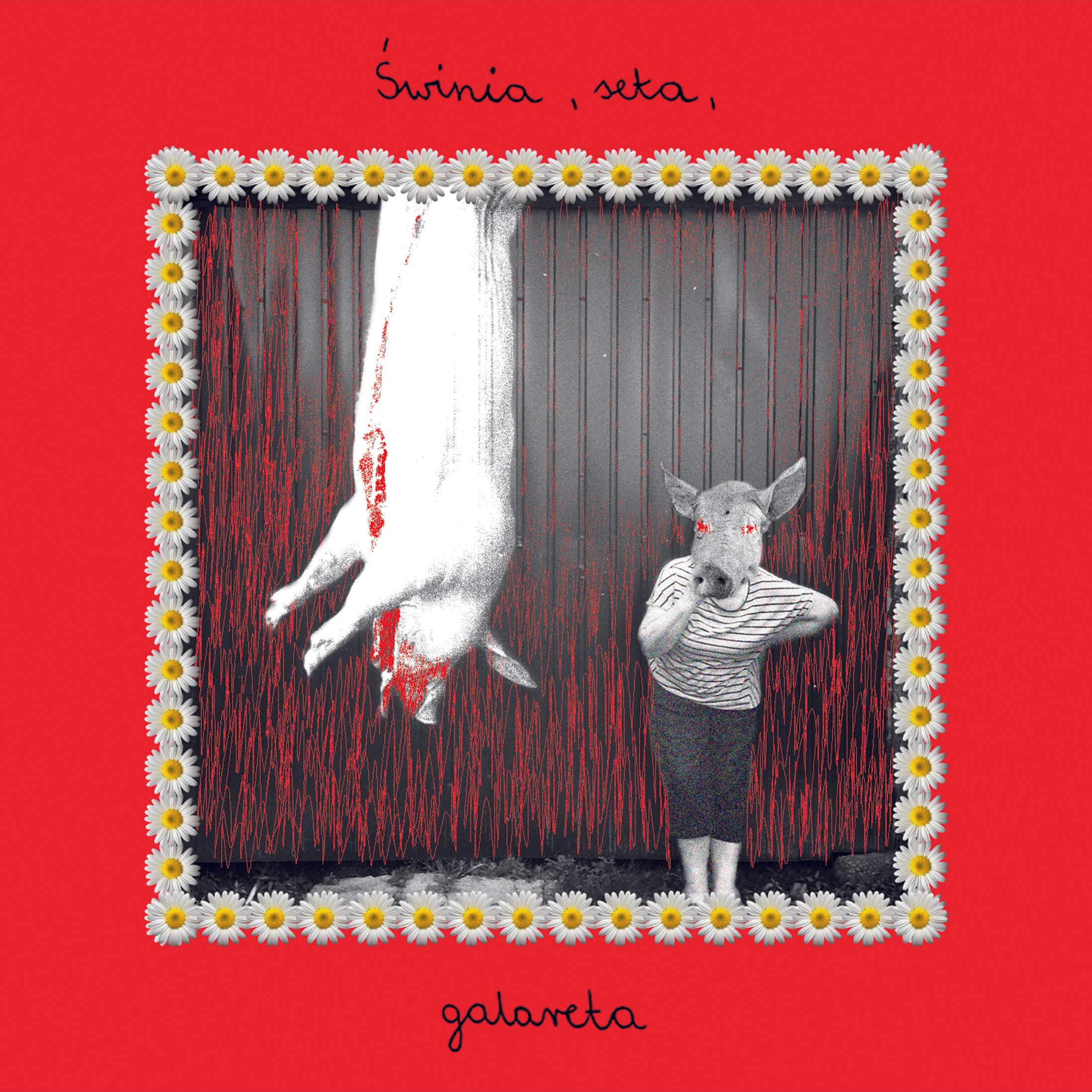
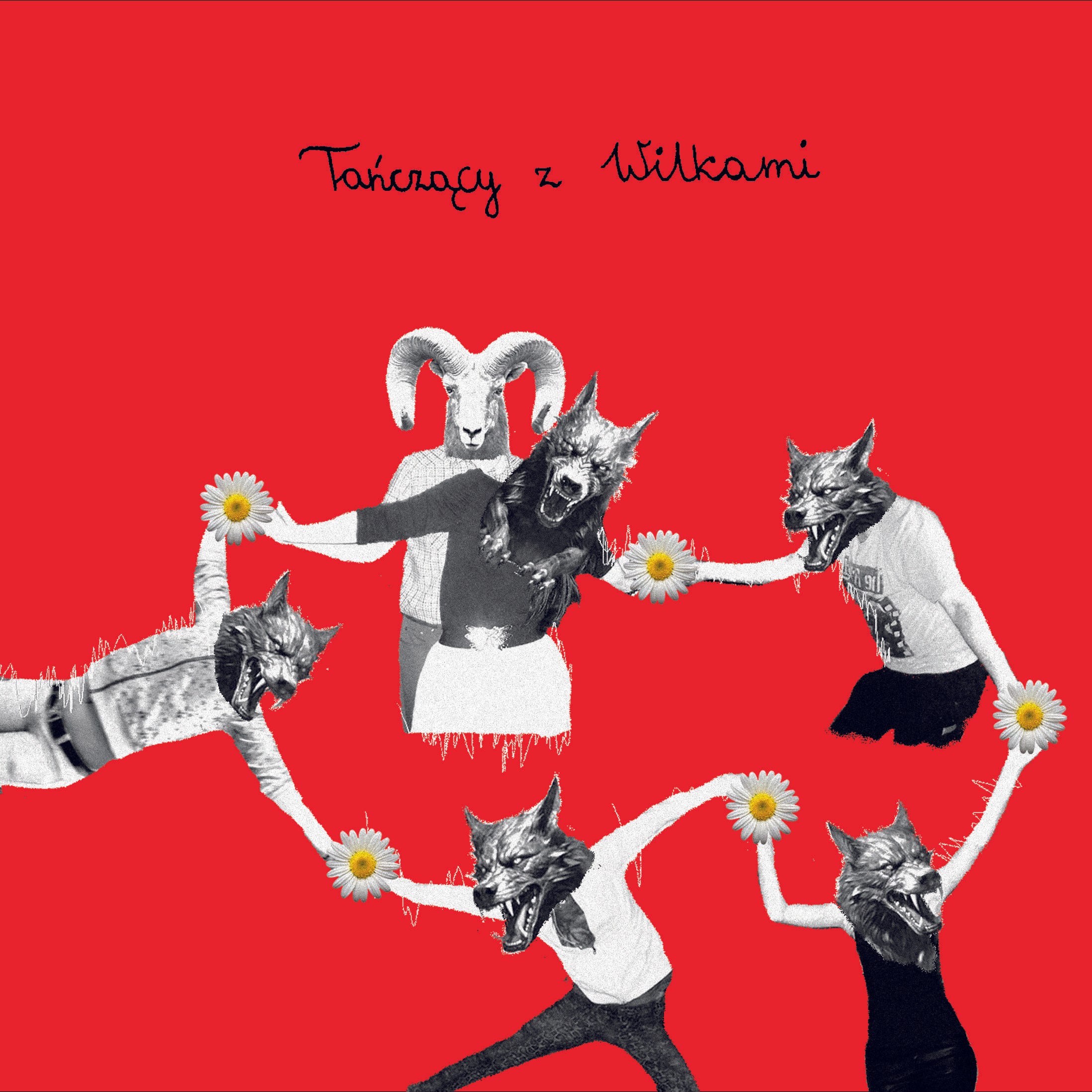
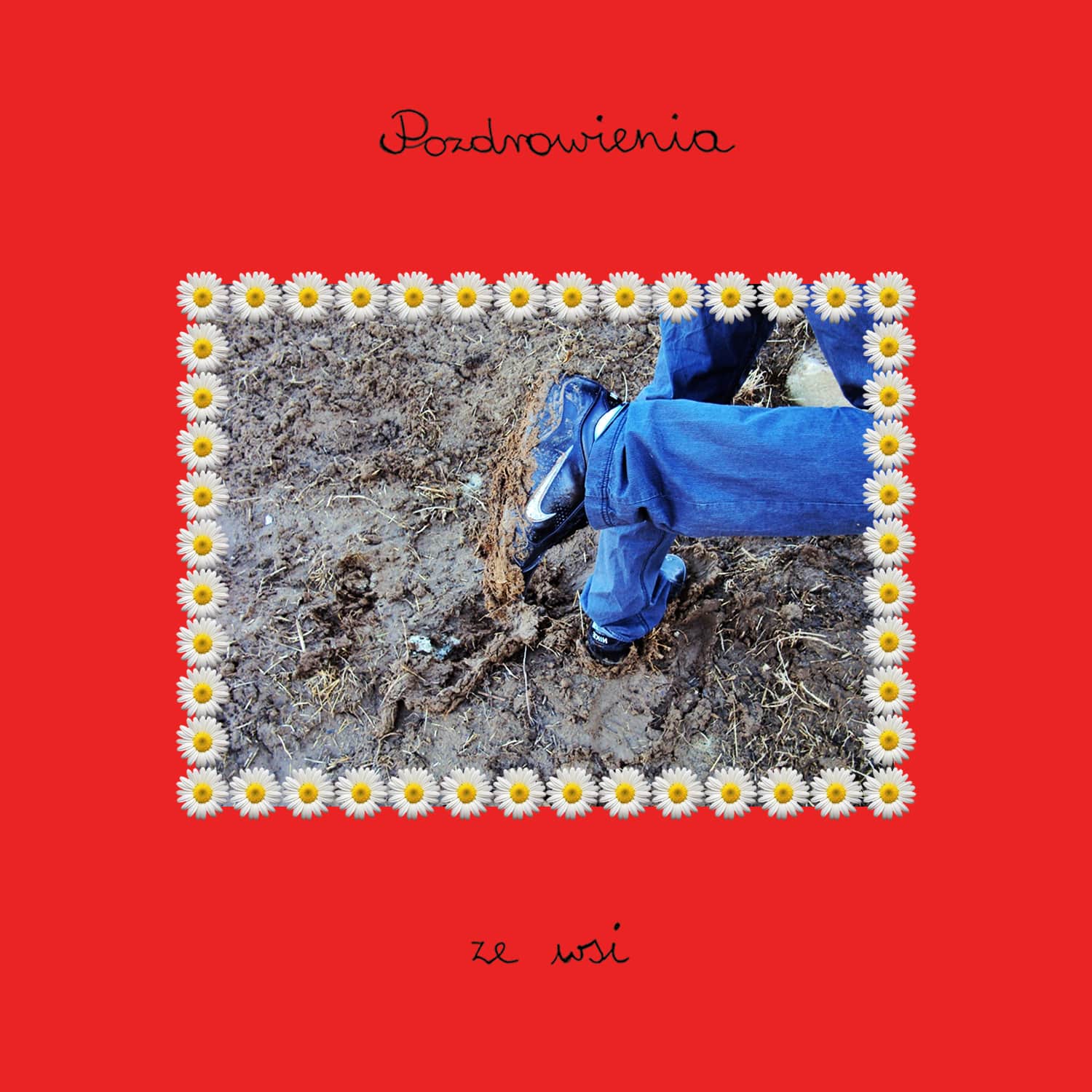
Greetings from the Village is a series of postcards – collages showing the real life in the Polish countryside. Real, meaning tough and messy (but with humor) – Nike shoes stuck in mud, dogs chained up, or animals being slaughtered in front of children, reminiscent of scenes from Ewa Borzęcka’s film Arizona. This is the village, not the idyllic green landscapes you find on Google.

The postcards feature collages I created from photos taken in my hometown, Trzcianka, a small village in Świętokrzyskie near Sandomierz. Each one tells a story from my childhood, highlighting daily struggles that, while normal for village life, reveal deeper issues of rural Poland.

I chose the postcard format because it’s typically associated with beautiful vacation spots. So why not send postcards from the Polish countryside? Let them tell their own stories.

The series also includes a short video portraying life in Trzcianka.

Greetings from the Village is a series of postcards – collages showing the real life in the Polish countryside. Real, meaning tough and messy (but with humor) – Nike shoes stuck in mud, dogs chained up, or animals being slaughtered in front of children, reminiscent of scenes from Ewa Borzęcka’s film Arizona. This is the village, not the idyllic green landscapes you find on Google.

The postcards feature collages I created from photos taken in my hometown, Trzcianka, a small village in Świętokrzyskie near Sandomierz. Each one tells a story from my childhood, highlighting daily struggles that, while normal for village life, reveal deeper issues of rural Poland.

I chose the postcard format because it’s typically associated with beautiful vacation spots. So why not send postcards from the Polish countryside? Let them tell their own stories.

The series also includes a short video portraying life in Trzcianka.

Date:

Jun 2024

Curator:

Mud

I associate my childhood with mud and the blood of a pig (in this mud). For every major occasion, such as holidays, birthdays, weddings, my dad would kill a pig. We raised the pigs in the stable, their place was the pigsty. I remember that the small pigs were separated from the big ones, so the pigpen was divided into two parts. When the pig was big enough – it was going to the final judgment. Dad would take a string and a hammer and the pig would immediately hang dead, tied with its hooves to a wooden beam of the garage. Later, Dad would scrape it and dress the meat. Whenever he made black pudding, he would call me to try the cooked porridge. It was the white porridge prepared for pudding that I liked best. When I went to taste the porridge I would pass the place where the pig hung, there the mud was the color of blood and sometimes I managed to meet some pig eye. Pig's eyes are cloudy – as if the pigs have no pupils and see behind a fog. I remember one year I learned at school that black pudding is porridge with the blood of a pig. That was the year I stopped trying porridge.

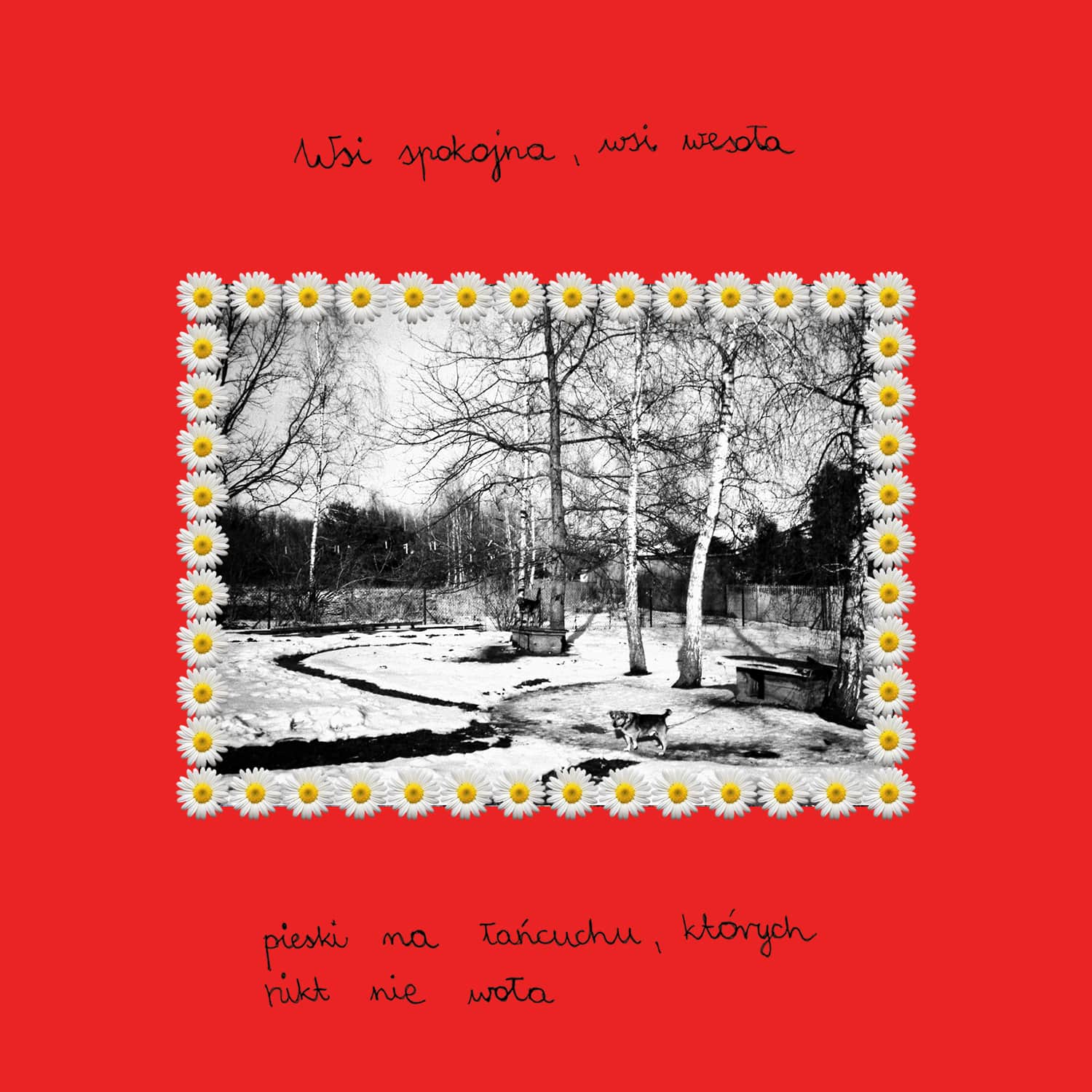
Peaceful village, happy village, dogs on a chain that no one calls out

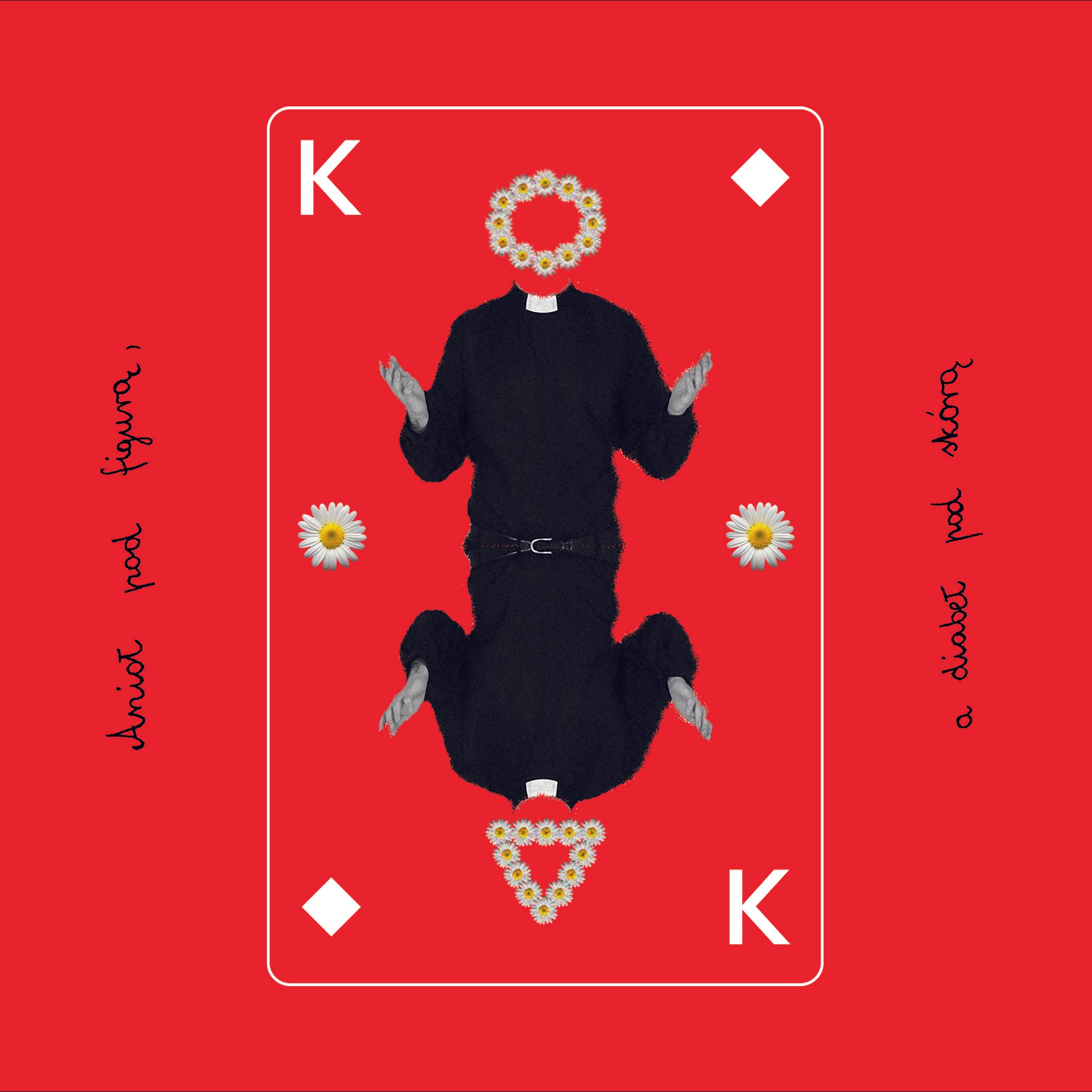
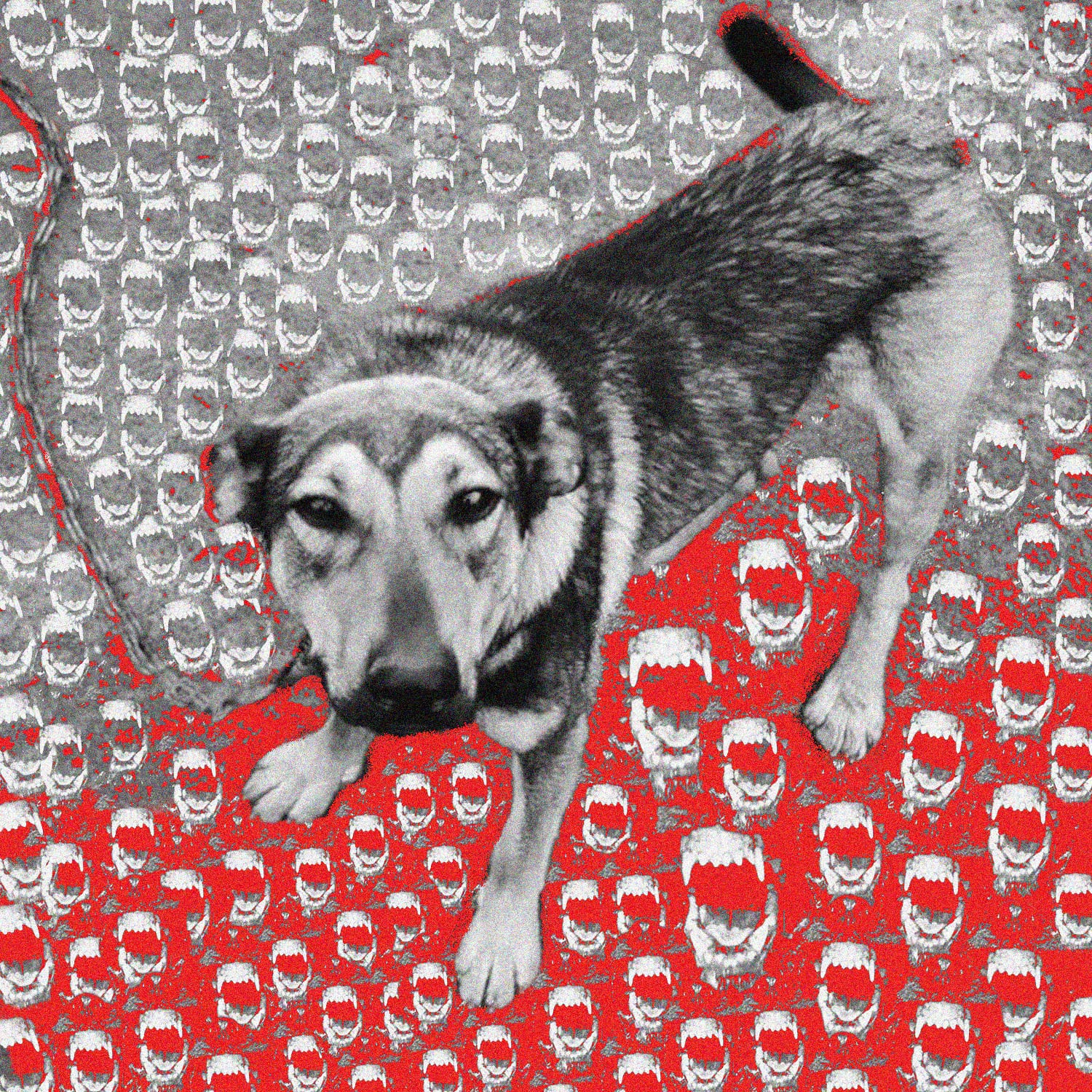
I was about five years old when my cousin threw a rock at my dog Scrooge. Scrooge jumped off the leash and bit him on the leg. Everyone said afterwards that my dog was aggressive. But how was he not to be aggressive as he had been tied to his kennel with a metal chain all his life and an eight-year-old threw a stone at him? For everyone it was normal: a dog in the countryside, a dog tied to a kennel- that's the order of things. For me, too, I was just a child - and I didn't know any other way of interacting with a dog than "don't go near it or it will bite you." Then Scrooge died – I don't think I remember his passing too much. In his place came a Negro. The dog was black and had a curly coat. He was a little ball and seemed to me to be always smiling. He always barked loudly when I was around, and I was happy and called to him Negro, Negro. I thought Negro was a standard name for a dog. Then I went to school and it turned out that I didn't after all. It's a good thing I went to school. Then I had Brutek. He was the first dog that ran around the yard and I could play with him. He was with us from puppyhood, a small, smiling, cool dog, when he grew older he also ended up on a chain. Brutek died when I was about 13 years old. We acquired Medor, although I called him Zordon, but everyone called him Medor, so he reacted to that first name, however. He was a small wolfie, growing fast. He was also about to go on a chain, he was even already pinned. I took a picture of him and saw the sadness in his eyes. This dog was sad as fuck. I don't even know how to describe it, but it seemed to me that he was about to cry. And the dog and me. Medor was the first chainless dog in the yard. He was a friend. From then on, we hid the dog chains. Other people in the village did, too. However, not all of them. Some dogs still stand sadly by their kennels and howl to the moon for someone to free them. Greetings from the village.
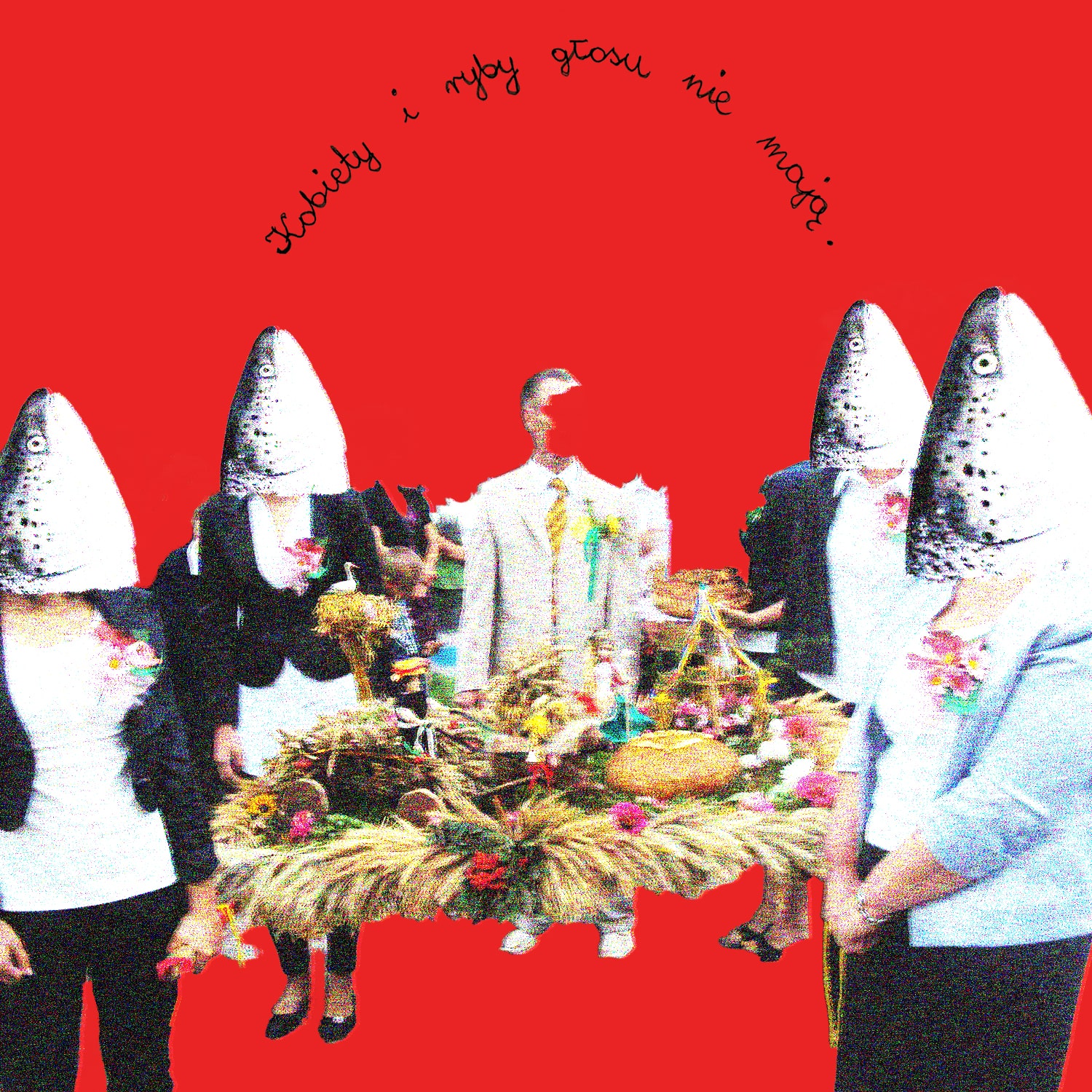
Fish and women have no voice

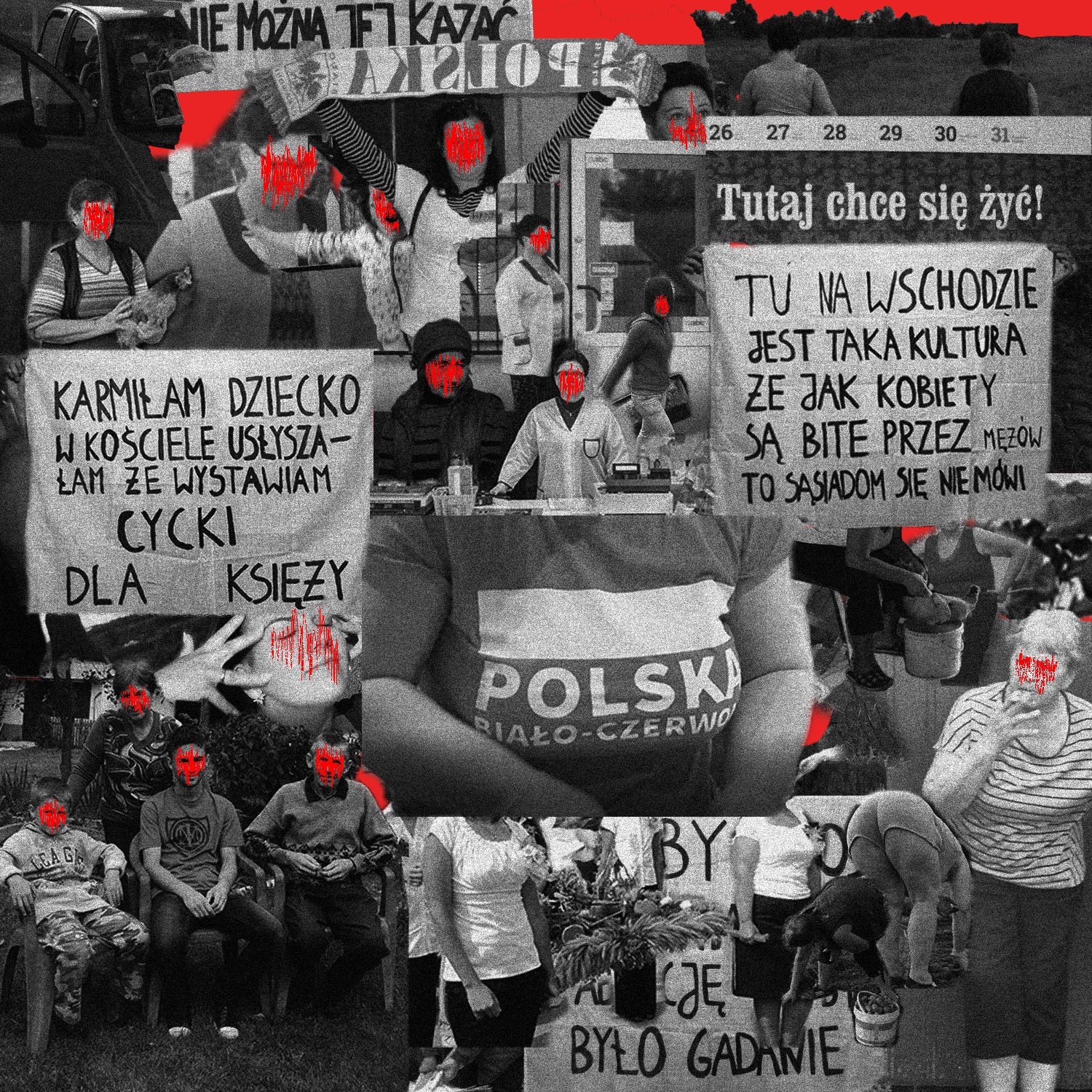
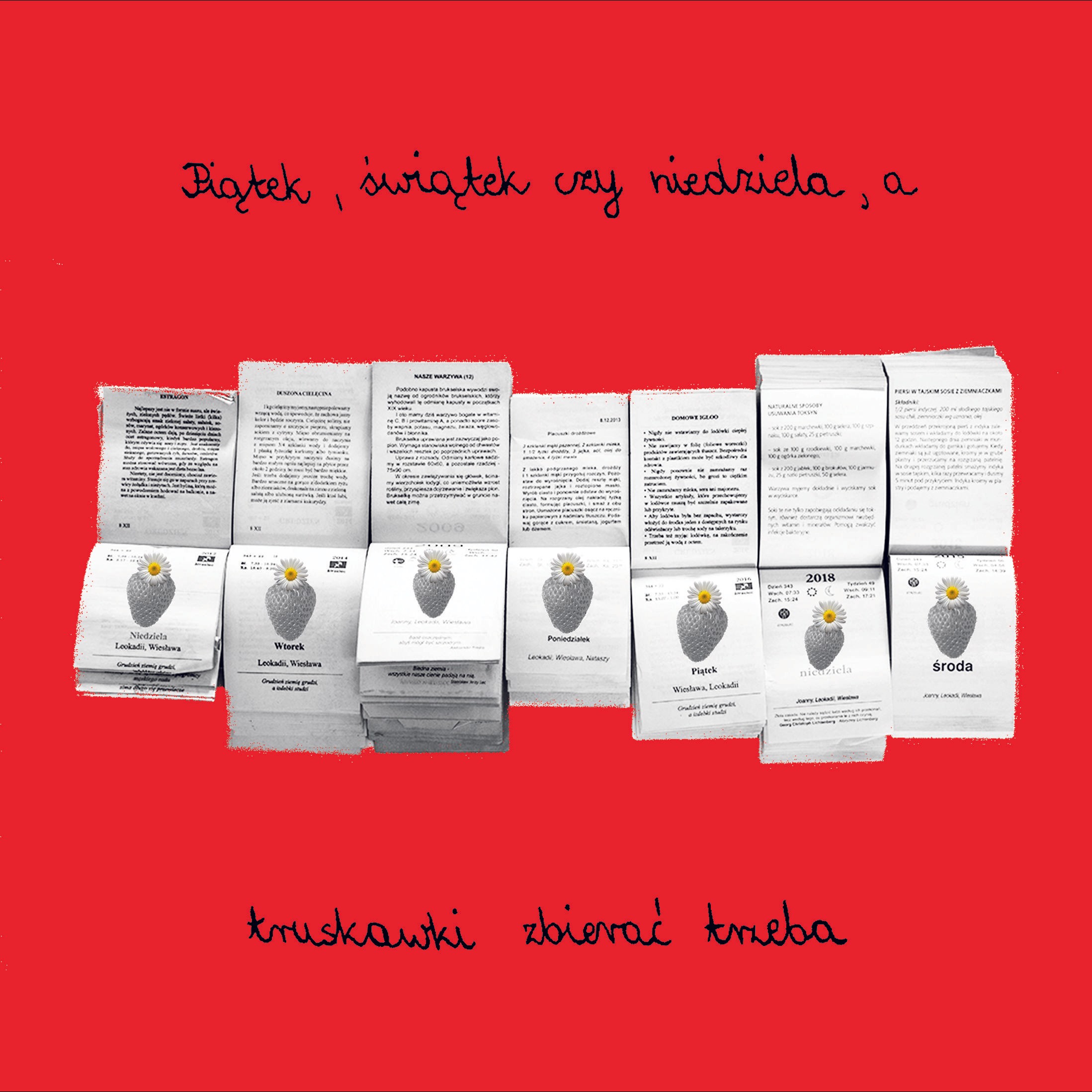
In the countryside, a woman has always worked. Always. It wasn't like she sat on a chair and sat. When she did sit on a chair, it was to peel potatoes. That's how I remember it. My mother did not work professionally. She took care of the house, the yard and worked on the land. Her schedule was dictated by the animals, the seasons, my dad (when he was hungry), and me (when I was hungry). She never complained that she was unwell. She simply worked. I also never noticed other women in the village complaining or protesting. When they did, they did it in silence, hidden – so that the man wouldn't see. Women in the village when things were bad simply said "well this is how it is, this is how it must be, what am I going to do". I remember women with black eye, who to this day continue in their „happy marriages”. I remember that when there were black protests and I wanted to go to a nearby city, there was interest at first, and then no desire. But some went. And that's a good thing. Because something is changing, cracking, vibrating - slowly, but rural women are finally proving that they have a voice and can say something. Thanks to Agnieszka Pajączkowska and her publications, thanks to Joanna Kuciel-Frydryszak's "Peasants" or even the film "Peasants" (it’s interesting that in English polish word „chłopki” and „chłopi” is the one word) which prompts a dialogue about the condition of the modern village and women's problems. Meanwhile, Greetings from the village.

Create a free website with Framer, the website builder loved by startups, designers and agencies.